Hilltop Veterinary Clinic

780-778-2662

Open mobile navigation
  • Home
  • Patient Resources
    • Small Animal
      • Nutrition
      • Breeding and Whelping
      • Kitten Info
      • Puppy Info
      • Geriatric Care
      • Surgical Info
      • Tattoos and Microchips
      • Euthanasia and Pet Memorials
      • Travelling with Pets
    • Equine
      • Wellness Care
      • Coggins Testing and Export
      • Referral Info
      • Euthanasia
      • Resources
      • Emergency Services
    • Bovine
      • Farm Services
      • VCPR and Herd Health
      • Vaccinations and Deworming
      • Exportation and EU Certification
      • Bovine Resources
    • Small Ruminant and Camelid
      • Herd/Flock Health and VCPR
      • Vaccinations
      • Deworming
    • Exotic and Pocket Pets
      • Euthanasia and Pet Memorials
      • Referral Info
      • Resources
    • What to Expect
    • Veterinary Resources
    • Payment Options
  • About Us
    • Clinic Tour
    • Meet The Staff
    • Service Overview
    • No-Show Policy
  • Services
    • Small Animal
      • Spays and Neuters
      • Vaccinations
      • Soft Tissue Surgery
      • Orthopedic Surgery
      • Dentistry
      • Laser Therapy
    • Bovine
    • Equine
    • Onsite diagnostics
    • Small Ruminant and Camelid
    • Cervid and Bison
    • Other Species
    • Emergency Services
  • Contact Us
  • Veterinary Topics
    • Pet Health
      • Chronic Conditions
      • Digestive and Oral Health
      • Diseases and Viruses
      • Pests and Parasites
      • Orthopedics
    • Today's Veterinarian
    • Choosing Your Pet
      • Finding Your Pet
      • Cats
      • Dogs
      • Exotics
        • Amphibians
        • Birds
        • Reptiles
          • Lizards
          • Turtles
      • Small Mammals
        • Ferrets
        • Rabbits
        • Domesticated Animals
          • Prairie Dogs
        • Pocket Pets
          • Chinchillas
          • Guinea Pigs
          • Hamsters
          • Hedgehogs
          • Rats
      • Livestock
        • Cows
        • Donkeys, Horses & Mules
        • Goats
        • Pigs
        • Poultry
        • Sheep
    • Living With Your Pet
      • Bringing Your Pet Home
      • Children and Pets
      • Providing Care
      • Travel
      • Saying Goodbye
    • Newsletter Library
      • Cats
      • Tips for Pet Owners
      • Behavior & Training
      • Fleas & Parasites
      • Keeping Pets Healthy
      • Recognizing Illness
      • Nutrition & Food
      • Pet Dangers
      • Seasonal Topics
      • Visiting the Vet
      • Equine
      • Newsletter Archive
        • Fun with Pets
        • Unbelievable Pets
    • Video Newsroom
      • Health Topics
      • Technology and Science
      • Other Interests
    • Newsletter Library
    • Client Survey
    • Pets4Kids
  • Home >
  • Articles >
  • Newsletter Library >
  • November Newsletter: Turkey Day Tips for Pet Owners

November Newsletter: Turkey Day Tips for Pet Owners

  • Created in Newsletter Library

Yellow lab begs for food.

Turkey Day Tips for Pet Owners

Does your furry friend rush to the kitchen when the first whiff of roast turkey floats through the air? Although your pet may be tempted to sample every part of your feast, some Thanksgiving foods and decorations aren't safe for pets. Prioritize your pet's health and comfort by following these Thanksgiving Day tips.

Don't Feed Your Pet These Foods

It may be hard to resist your pet's pleading eyes on Turkey Day, but sharing your favorite foods could spell trouble for your furry friend. Your pet's digestive system works a little differently than yours. Foods you enjoy could cause health issues ranging from diarrhea to kidney failure in pets. Avoid health problems by keeping these Thanksgiving foods away from your pet:

  • Seasoned Turkey. Seasonings can irritate your pet's digestive system and cause an upset stomach, vomiting, or diarrhea.
  • Turkey Skin, Fat, and Gravy. These foods are high in fat and could trigger pancreatitis in dogs and cats. Pancreatitis is a potentially life-threatening inflammation of the pancreas. Symptoms include fever, vomiting, diarrhea, abdominal pain, fatigue, and lack of appetite.
  • Onions, Chives, Leeks, Scallions, and Garlic. Don't feed your pet any dishes that include these ingredients, including stuffing and casseroles. Eating onions, chives, scallions, leeks, or garlic can damage your pet's red blood cells and cause anemia. According to the ASPCA, cats are more likely to develop anemia, but dogs can also develop the condition depending on how much of the substance is eaten.
  • Grapes and Raisins. Do you love raisins in your stuffing? Eating grapes or raisins can lead to kidney failure in pets.
  • Other Dangerous Foods. Don't let your pet eat any food that contains chocolate, alcohol, raw eggs, yeast dough, or the sweetener xylitol (often found in sugar-free candies and desserts).

So what can you feed your pet? The American Animal Hospital Association recommends skinless, boneless, unseasoned turkey and plain carrots, pumpkin, beans, or sweet potatoes.

Clean Up Promptly

While you're enjoying a piece of pie and a cup of coffee, your pet may be feasting on the leftovers in the kitchen or digging through the trash. Prevent disaster by promptly refrigerating leftovers. Place pots, pans, dishes, and utensils in the dishwasher immediately, or rinse them thoroughly and put them in the sink.

Remove trash and place it outside even if the bag isn't full. Turkey bones found in the trash can splinter when chewed, damaging your pet's throat or stomach or blocking your pet's airway. String used to tie turkey legs can create a blockage in your pet's stomach or intestines.

Find a Safe Space

Some pets find the hustle and bustle of Thanksgiving overwhelming. If your pet isn't fond of crowds or noise, create a safe haven in another room. Choose a room in a quiet part of the house with a door that closes securely. Add your pet's food and water dishes and litter box if you have a cat. Be sure to check on your pet periodically during the day.

Be Careful with Decorations

Substitute battery-operate flameless candles for the real thing to prevent burns. Does your decorating plan include potpourri or a cornucopia with artificial fruit and vegetables? Taking a bite of non-food items can lead to choking or poisoning in some cases. Put decorations out of reach of pets for your furry friend's sake.

Check the Tag

Does your pet have a collar with an updated ID tag? It only takes a second for a pet to sneak out the door when you're welcoming guests. Lost pets that wear ID tags with their owner's name and telephone number are much more likely to be reunited with their owners.

ID tags are a must even if your dog or cat is microchipped. Although veterinary offices and animal shelters have microchip scanners, your friends and neighbors don't have access to this technology and must rely on information found on tags.

Whether it's your pet's first Thanksgiving or 10th, taking a few precautions will make the day a pleasant experience. Do you have a question about your pet's health or need to schedule a visit? Just give us a call and let us know how we can help.

Sources:

American Animal Hospital Association: What Is Pancreatitis?, 6/21/2019

https://www.aaha.org/resources/pancreatitis-in-pets/

U.S. Food & Drug Administration: Potentially Dangerous Items for Your Pet

https://www.fda.gov/animal-veterinary/animal-health-literacy/potentially-dangerous-items-your-pet

ASPCA: People Foods to Avoid Feeding Your Pets

https://www.aspca.org/pet-care/aspca-poison-control/people-foods-avoid-feeding-your-pets

American Kennel Club: Which Thanksgiving Foods Can I Give My Dog?, 10/23/2024

https://www.akc.org/expert-advice/nutrition/thanksgiving-foods-for-dogs/

American Animal Hospital Association: Thanksgiving Foods Pets Should Avoid, 11/7/2024

https://www.aaha.org/resources/thanksgiving-foods-pets-should-avoid/
  • Pet Health
    • Chronic Conditions
    • Digestive and Oral Health
    • Diseases and Viruses
    • Pests and Parasites
    • Orthopedics
  • Today's Veterinarian
  • Choosing Your Pet
    • Finding Your Pet
    • Cats
    • Dogs
    • Exotics
      • Amphibians
      • Birds
      • Reptiles
        • Lizards
        • Turtles
    • Small Mammals
      • Ferrets
      • Rabbits
      • Domesticated Animals
        • Prairie Dogs
      • Pocket Pets
        • Chinchillas
        • Guinea Pigs
        • Hamsters
        • Hedgehogs
        • Rats
    • Livestock
      • Cows
      • Donkeys, Horses & Mules
      • Goats
      • Pigs
      • Poultry
      • Sheep
  • Living With Your Pet
    • Bringing Your Pet Home
    • Children and Pets
    • Providing Care
    • Travel
    • Saying Goodbye
  • Newsletter Library
    • Cats
    • Tips for Pet Owners
    • Behavior & Training
    • Fleas & Parasites
    • Keeping Pets Healthy
    • Recognizing Illness
    • Nutrition & Food
    • Pet Dangers
    • Seasonal Topics
    • Visiting the Vet
    • Equine
    • Newsletter Archive
      • Fun with Pets
      • Unbelievable Pets
  • Video Newsroom
    • Health Topics
    • Technology and Science
    • Other Interests
  • Newsletter Library
  • Client Survey
  • Pets4Kids

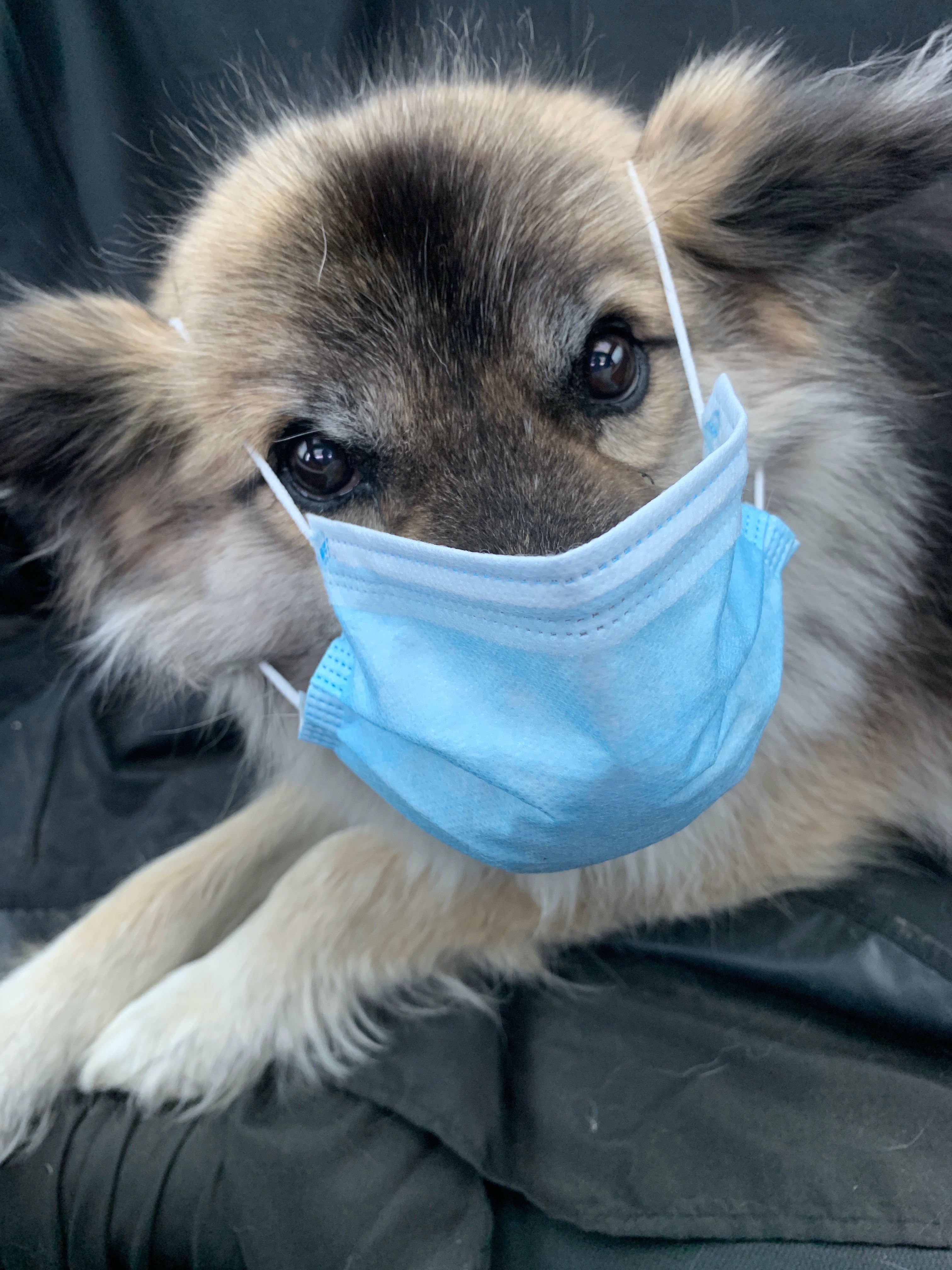
Covid-19 Information

Featured Links

Click to find out more

  • About Us

    Hilltop Veterinary Clinic is proud to serve the Whitecourt Alberta area for everything pet related. Our veterinary clinic and animal hospital is run by licensed, experienced veterinarians.

  • Facebook

    Find us on Facebook!

  • Contact Us

    Please contact with any questions or to request an appointment.

Office Hours

Our Regular Schedule

Monday:

8:30 am-5:00 pm

Tuesday:

8:30 am-5:00 pm

Wednesday:

8:30 am-5:00 pm

Thursday:

8:30 am-5:00 pm

Friday:

8:30 am-5:00 pm

Saturday:

Mayerthorpe Office Only

9:00 am-1:00 pm

Sunday:

Closed

Location

Find us on the map

Featured Articles

Read about interesting topics

  • March Newsletter: How to Keep Your Cat Safe When Outdoors

    Wondering how your cat can safely spend time outdoors? ...

    Read More
  • March Newsletter: How to Choose Safe Blankets for Pets

    Do you know how to pick a safe blanket for your pet? ...

    Read More
  • February Newsletter: How to Reduce Dental Anxiety in Pets

    Does your pet hate toothbrushing? These tips could reduce dental anxiety. ...

    Read More
  • February Newsletter: How to Safely Change Your Cat’s Food

    Buying a new food for your cat? Find out how to switch foods safely. ...

    Read More
  • January Newsletter: Signs Your Pet Needs a Wellness Exam

    Does your pet need a wellness exam? ...

    Read More
  • January Newsletter: How Your Veterinarian Can Help If Your Pet Ingests Something Toxic

    Has your pet eaten something it shouldn't have? Find out how your vet can help. ...

    Read More
  • December Newsletter: Signs Your Pet Needs a Professional Cleaning

    Do you know when your pet needs a professional cleaning? ...

    Read More
  • December Newsletter: Simple Ways to Keep Your Home Flea-Free for Your Pet’s Well-being

    Never want to see another flea again? Try these tips for a flea-free home. ...

    Read More
  • November Newsletter: The Importance of Bloodwork for Your Pet’s Health

    Wondering if your pet really needs bloodwork? Find out the benefits of blood tests for your furry friend. ...

    Read More
  • November Newsletter: Turkey Day Tips for Pet Owners

    Don't forget about your pet when making Turkey Day preparations. ...

    Read More

Newsletter Signup

No social media links found. Please configure it
  • Copyright © 2026 MH Sub I, LLC dba iMatrix.
  • Admin Log In
  • Site Map