Hilltop Veterinary Clinic

780-778-2662

Open mobile navigation
  • Home
  • Patient Resources
    • Small Animal
      • Nutrition
      • Breeding and Whelping
      • Kitten Info
      • Puppy Info
      • Geriatric Care
      • Surgical Info
      • Tattoos and Microchips
      • Euthanasia and Pet Memorials
      • Travelling with Pets
    • Equine
      • Wellness Care
      • Coggins Testing and Export
      • Referral Info
      • Euthanasia
      • Resources
      • Emergency Services
    • Bovine
      • Farm Services
      • VCPR and Herd Health
      • Vaccinations and Deworming
      • Exportation and EU Certification
      • Bovine Resources
    • Small Ruminant and Camelid
      • Herd/Flock Health and VCPR
      • Vaccinations
      • Deworming
    • Exotic and Pocket Pets
      • Euthanasia and Pet Memorials
      • Referral Info
      • Resources
    • What to Expect
    • Veterinary Resources
    • Payment Options
  • About Us
    • Clinic Tour
    • Meet The Staff
    • Service Overview
    • No-Show Policy
  • Services
    • Small Animal
      • Spays and Neuters
      • Vaccinations
      • Soft Tissue Surgery
      • Orthopedic Surgery
      • Dentistry
      • Laser Therapy
    • Bovine
    • Equine
    • Onsite diagnostics
    • Small Ruminant and Camelid
    • Cervid and Bison
    • Other Species
    • Emergency Services
  • Contact Us
  • Veterinary Topics
    • Pet Health
      • Chronic Conditions
      • Digestive and Oral Health
      • Diseases and Viruses
      • Pests and Parasites
      • Orthopedics
    • Today's Veterinarian
    • Choosing Your Pet
      • Finding Your Pet
      • Cats
      • Dogs
      • Exotics
        • Amphibians
        • Birds
        • Reptiles
          • Lizards
          • Turtles
      • Small Mammals
        • Ferrets
        • Rabbits
        • Domesticated Animals
          • Prairie Dogs
        • Pocket Pets
          • Chinchillas
          • Guinea Pigs
          • Hamsters
          • Hedgehogs
          • Rats
      • Livestock
        • Cows
        • Donkeys, Horses & Mules
        • Goats
        • Pigs
        • Poultry
        • Sheep
    • Living With Your Pet
      • Bringing Your Pet Home
      • Children and Pets
      • Providing Care
      • Travel
      • Saying Goodbye
    • Newsletter Library
      • Cats
      • Tips for Pet Owners
      • Behavior & Training
      • Fleas & Parasites
      • Keeping Pets Healthy
      • Recognizing Illness
      • Nutrition & Food
      • Pet Dangers
      • Seasonal Topics
      • Visiting the Vet
      • Equine
      • Newsletter Archive
        • Fun with Pets
        • Unbelievable Pets
    • Video Newsroom
      • Health Topics
      • Technology and Science
      • Other Interests
    • Newsletter Library
    • Client Survey
    • Pets4Kids
  • Home >
  • Articles >
  • Choosing Your Pet >
  • Exotics >
  • Reptiles >
  • Turtles >
  • Box Turtles

Box Turtles

  • Created in Choosing Your Pet, Exotics, Reptiles, Turtles, Choosing Your Pet, Exotics
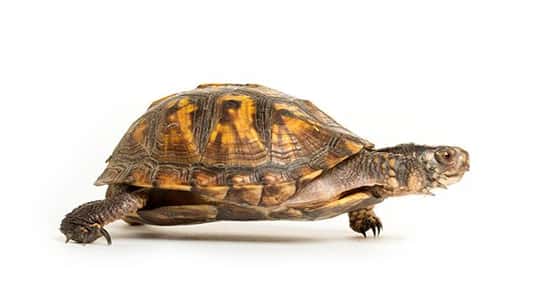
Image of a box turtle.

North American box turtles are mainly terrestrial turtles, although they do spend some time in shallow water (Asian box turtles tend to be a bit more aquatic). Compared to aquatic turtles such as red eared sliders, they are more challenging and complex pets, and are not the best choice for beginning turtle owners. With a potential life span of up to 100 years, these turtles obviously require a long term commitment (however, the average life span of captive box turtles is probably closer to only 40-50 years).

Picking a Healthy Turtle

Try to find a captive bred turtle, as wild caught turtles tend to be stressed, dehydrated, and prone to disease as a result of their stress and environment during capture/transport. In addition, support of the wild catch/pet trade in box turtles may further threaten their numbers in the wild (and taking in native turtles is illegal in many states). An alternate source is shelters or rescue groups.

Find a turtle in the late spring or summer months; it is best to avoide purchasing a box turtle during the fall or winter when it should be hibernating. Make sure the turtle feels "solid" (i.e. not like an empty shell), and has clear eyes and nostrils and a firm, solid shell, and no swellings. It is wise to get a stool sample checked by a veterinarian and deal with any parasites, and take the turtle to a vet immediately if it is not eating shortly after arriving home (it may need rehydration). Also keep in mind that box turtles, like other reptiles, can carry Salmonella so careful hygiene is required during handling of turtles and cleaning their enclosures.

Housing Options

A well designed outdoor pen, providing appropriate substrate, humidity, access to water, and protection form predators will work well in appropriate climates (generally speaking, this is probably limited to areas where box turtles are indigenous). Given an appropriately sized enclosure with provisions for heat, humidity, and lighting they can be kept successfully indoors. An indoor set up will require considerable planning to provide a land and water area, a heat source (under tank), a basking light and a full spectrum lamp (important for Vitamin D metabolism).

Feeding

A varied diet must also be provided. Box turtles are omnivores, but different species and different aged turtles tend to have preferences for either more animal protein or more vetation in their diet. For example, in some species of box turtle are more carnivorous than adults. They must be feed a variety of foods from both groups including plenty of fresh vegetables and fruits, insects, low fat meats, pinky mice, and other foods.

Hibernation

North American box turtles hibernate and this complicates their husbandry somewhat. Appropriate conditions must be provided sheets for hibernation with a warning that turtles that are not in good condition/health should not be allowed to hibernate as they will not have the reserves and strength to survive. Do everything possible to ensure good health prior to the time of year that hibernation should begin. For unhealthy animals a period of hibernation, when all bodily functions slow considerably, hibernation will only make health problems worse, if not kill the turtle.

  • Pet Health
    • Chronic Conditions
    • Digestive and Oral Health
    • Diseases and Viruses
    • Pests and Parasites
    • Orthopedics
  • Today's Veterinarian
  • Choosing Your Pet
    • Finding Your Pet
    • Cats
    • Dogs
    • Exotics
      • Amphibians
      • Birds
      • Reptiles
        • Lizards
        • Turtles
    • Small Mammals
      • Ferrets
      • Rabbits
      • Domesticated Animals
        • Prairie Dogs
      • Pocket Pets
        • Chinchillas
        • Guinea Pigs
        • Hamsters
        • Hedgehogs
        • Rats
    • Livestock
      • Cows
      • Donkeys, Horses & Mules
      • Goats
      • Pigs
      • Poultry
      • Sheep
  • Living With Your Pet
    • Bringing Your Pet Home
    • Children and Pets
    • Providing Care
    • Travel
    • Saying Goodbye
  • Newsletter Library
    • Cats
    • Tips for Pet Owners
    • Behavior & Training
    • Fleas & Parasites
    • Keeping Pets Healthy
    • Recognizing Illness
    • Nutrition & Food
    • Pet Dangers
    • Seasonal Topics
    • Visiting the Vet
    • Equine
    • Newsletter Archive
      • Fun with Pets
      • Unbelievable Pets
  • Video Newsroom
    • Health Topics
    • Technology and Science
    • Other Interests
  • Newsletter Library
  • Client Survey
  • Pets4Kids

Covid-19 Information

Featured Links

Click to find out more

  • About Us

    Hilltop Veterinary Clinic is proud to serve the Whitecourt Alberta area for everything pet related. Our veterinary clinic and animal hospital is run by licensed, experienced veterinarians.

  • Facebook

    Find us on Facebook!

  • Contact Us

    Please contact with any questions or to request an appointment.

Office Hours

Our Regular Schedule

Monday:

8:30 am-5:00 pm

Tuesday:

8:30 am-5:00 pm

Wednesday:

8:30 am-5:00 pm

Thursday:

8:30 am-5:00 pm

Friday:

8:30 am-5:00 pm

Saturday:

Mayerthorpe Office Only

9:00 am-1:00 pm

Sunday:

Closed

Location

Find us on the map

Featured Articles

Read about interesting topics

  • March Newsletter: How to Keep Your Cat Safe When Outdoors

    Wondering how your cat can safely spend time outdoors? ...

    Read More
  • March Newsletter: How to Choose Safe Blankets for Pets

    Do you know how to pick a safe blanket for your pet? ...

    Read More
  • February Newsletter: How to Reduce Dental Anxiety in Pets

    Does your pet hate toothbrushing? These tips could reduce dental anxiety. ...

    Read More
  • February Newsletter: How to Safely Change Your Cat’s Food

    Buying a new food for your cat? Find out how to switch foods safely. ...

    Read More
  • January Newsletter: Signs Your Pet Needs a Wellness Exam

    Does your pet need a wellness exam? ...

    Read More
  • January Newsletter: How Your Veterinarian Can Help If Your Pet Ingests Something Toxic

    Has your pet eaten something it shouldn't have? Find out how your vet can help. ...

    Read More
  • December Newsletter: Signs Your Pet Needs a Professional Cleaning

    Do you know when your pet needs a professional cleaning? ...

    Read More
  • December Newsletter: Simple Ways to Keep Your Home Flea-Free for Your Pet’s Well-being

    Never want to see another flea again? Try these tips for a flea-free home. ...

    Read More
  • November Newsletter: The Importance of Bloodwork for Your Pet’s Health

    Wondering if your pet really needs bloodwork? Find out the benefits of blood tests for your furry friend. ...

    Read More
  • November Newsletter: Turkey Day Tips for Pet Owners

    Don't forget about your pet when making Turkey Day preparations. ...

    Read More

Newsletter Signup

No social media links found. Please configure it
  • Copyright © 2026 MH Sub I, LLC dba iMatrix.
  • Admin Log In
  • Site Map