Hilltop Veterinary Clinic

780-778-2662

Open mobile navigation
  • Home
  • Patient Resources
    • Small Animal
      • Nutrition
      • Breeding and Whelping
      • Kitten Info
      • Puppy Info
      • Geriatric Care
      • Surgical Info
      • Tattoos and Microchips
      • Euthanasia and Pet Memorials
      • Travelling with Pets
    • Equine
      • Wellness Care
      • Coggins Testing and Export
      • Referral Info
      • Euthanasia
      • Resources
      • Emergency Services
    • Bovine
      • Farm Services
      • VCPR and Herd Health
      • Vaccinations and Deworming
      • Exportation and EU Certification
      • Bovine Resources
    • Small Ruminant and Camelid
      • Herd/Flock Health and VCPR
      • Vaccinations
      • Deworming
    • Exotic and Pocket Pets
      • Euthanasia and Pet Memorials
      • Referral Info
      • Resources
    • What to Expect
    • Veterinary Resources
    • Payment Options
  • About Us
    • Clinic Tour
    • Meet The Staff
    • Service Overview
    • No-Show Policy
  • Services
    • Small Animal
      • Spays and Neuters
      • Vaccinations
      • Soft Tissue Surgery
      • Orthopedic Surgery
      • Dentistry
      • Laser Therapy
    • Bovine
    • Equine
    • Onsite diagnostics
    • Small Ruminant and Camelid
    • Cervid and Bison
    • Other Species
    • Emergency Services
  • Contact Us
  • Veterinary Topics
    • Pet Health
      • Chronic Conditions
      • Digestive and Oral Health
      • Diseases and Viruses
      • Pests and Parasites
      • Orthopedics
    • Today's Veterinarian
    • Choosing Your Pet
      • Finding Your Pet
      • Cats
      • Dogs
      • Exotics
        • Amphibians
        • Birds
        • Reptiles
          • Lizards
          • Turtles
      • Small Mammals
        • Ferrets
        • Rabbits
        • Domesticated Animals
          • Prairie Dogs
        • Pocket Pets
          • Chinchillas
          • Guinea Pigs
          • Hamsters
          • Hedgehogs
          • Rats
      • Livestock
        • Cows
        • Donkeys, Horses & Mules
        • Goats
        • Pigs
        • Poultry
        • Sheep
    • Living With Your Pet
      • Bringing Your Pet Home
      • Children and Pets
      • Providing Care
      • Travel
      • Saying Goodbye
    • Newsletter Library
      • Cats
      • Tips for Pet Owners
      • Behavior & Training
      • Fleas & Parasites
      • Keeping Pets Healthy
      • Recognizing Illness
      • Nutrition & Food
      • Pet Dangers
      • Seasonal Topics
      • Visiting the Vet
      • Equine
      • Newsletter Archive
        • Fun with Pets
        • Unbelievable Pets
    • Video Newsroom
      • Health Topics
      • Technology and Science
      • Other Interests
    • Newsletter Library
    • Client Survey
    • Pets4Kids
  • Home >
  • Articles >
  • Newsletter Library >
  • Cats >
  • Is a Feral Cat Right for You?

Is a Feral Cat Right for You?

  • Created in Newsletter Library, Cats
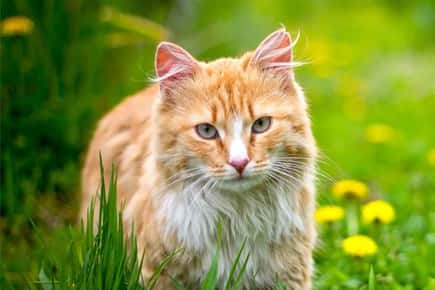
image of a cat.

In many ways, Tiger Kitty (or TK as he's known for short) isn't your typical feral cat. Unlike his still-wild counterparts who still roam around, homeless and often hungry, he now has a home. When his owners get home at night, he runs out to meet them and rubs against their ankles looking to be patted. At night, he sleeps curled up in an old arm chair on their porch or on top of a hay bale in the barn with the other farm cats for warmth and company. In fact, the only thing that distinguishes him from his feline companions is the "brand" that identifies him as a feral cat: the missing tip of his left ear, which was surgically removed by the veterinarian who neutered him as part of a low-cost feral cat spay-neuter program. (The ear tipping shows he is neutered.)

Adopting abandoned, abused or rescued animals is a noble cause and one to which animal lovers are quick to rally. But there are caveats to adopting any animal with a troubled past, and prospective owners should never impulsively bring home such animals without considering all the consequences, not only for the animal, but for themselves, their families, and their other pets. Only after careful consideration of what is entitled in the animal's care, feeding, housing and socialization should new owners take on such a pet. The is very true of feral cats.

The first question many people must ask when considering a feral cat for adoption is whether it can be domesticated successfully. The answer, often not too helpful, is that it depends. A key factor is the age of the feral cat when it is captured. In general, the younger the cat, the greater its chance of being successfully domesticated. A feral kitten who is rescued at the age of six to eight weeks, vaccinated and neutered at an appropriate age has as much success as any kitten of becoming part of a family. Feral cats who have been on their own in the wild for years, possibly having little or no contact with humans, make poor candidates for domestication. Another factor is environment. If you live in a small apartment in the city and want an indoor cat, a feral cat is probably not a good choice. The cat would be miserable and it wouldn't be long before both you and your apartment were torn to shreds. If you live on a farm, however, and are looking for a barn cat to control rodents, a feral cat is ideal, so long as it gets along with any cats who already live there. Finally, there is an issue of gender. Unneutered male cats tend to be more aggressive than females, but once neutered, either gender has a better chance of being tamed successfully.

If you decide that you can provide a good adoptive home for a feral cat, contact your local Feral Cat Coalition (http://www.feralcat.com) and ask for the names of rescuers. Many shelters routinely euthanize all but the youngest feral cats brought in because of their limited adoptability, so they may not be a good source. Check local newspaper classifieds and websites such as Craig's List (go to http://craigslist.org then click the link for your local city or area) for ads looking to place feral cats or kittens in adoptive homes. After you find a suitable cat or kitten, the Feral Cat Coalition advises you to do three things:

  1. Before brining it home, have the cat examined by a vet, vaccinated, and treated for fleas (which can cause anemia in cats if left untreated) and other parasites. Although the FCC does not routinely test or vaccinate for tested for FeLV/FIV/FIP because its focus is spaying/neutering, most veterinarians will advise you to have a cat you are adopting tested and vaccinated, especially if you have other cats at home.
  2. Be patient while socializing your feral cat. The FCC offers an excellent guide to socializing kittens at http://www.feralcat.com/taming.html.
  3. Spay or neuter your pet! Kittens can be neutered as young as eight weeks and the only way to prevent the feral cat problem from continuing is preventing further reproduction.

If you have the patience, love, and proper environment, your feral cat can turn from a wild thing into a real pussycat and you'll have a well behaved and happy pet.
  • Pet Health
    • Chronic Conditions
    • Digestive and Oral Health
    • Diseases and Viruses
    • Pests and Parasites
    • Orthopedics
  • Today's Veterinarian
  • Choosing Your Pet
    • Finding Your Pet
    • Cats
    • Dogs
    • Exotics
      • Amphibians
      • Birds
      • Reptiles
        • Lizards
        • Turtles
    • Small Mammals
      • Ferrets
      • Rabbits
      • Domesticated Animals
        • Prairie Dogs
      • Pocket Pets
        • Chinchillas
        • Guinea Pigs
        • Hamsters
        • Hedgehogs
        • Rats
    • Livestock
      • Cows
      • Donkeys, Horses & Mules
      • Goats
      • Pigs
      • Poultry
      • Sheep
  • Living With Your Pet
    • Bringing Your Pet Home
    • Children and Pets
    • Providing Care
    • Travel
    • Saying Goodbye
  • Newsletter Library
    • Cats
    • Tips for Pet Owners
    • Behavior & Training
    • Fleas & Parasites
    • Keeping Pets Healthy
    • Recognizing Illness
    • Nutrition & Food
    • Pet Dangers
    • Seasonal Topics
    • Visiting the Vet
    • Equine
    • Newsletter Archive
      • Fun with Pets
      • Unbelievable Pets
  • Video Newsroom
    • Health Topics
    • Technology and Science
    • Other Interests
  • Newsletter Library
  • Client Survey
  • Pets4Kids

Covid-19 Information

Featured Links

Click to find out more

  • About Us

    Hilltop Veterinary Clinic is proud to serve the Whitecourt Alberta area for everything pet related. Our veterinary clinic and animal hospital is run by licensed, experienced veterinarians.

  • Facebook

    Find us on Facebook!

  • Contact Us

    Please contact with any questions or to request an appointment.

Office Hours

Our Regular Schedule

Monday:

8:30 am-5:00 pm

Tuesday:

8:30 am-5:00 pm

Wednesday:

8:30 am-5:00 pm

Thursday:

8:30 am-5:00 pm

Friday:

8:30 am-5:00 pm

Saturday:

Mayerthorpe Office Only

9:00 am-1:00 pm

Sunday:

Closed

Location

Find us on the map

Featured Articles

Read about interesting topics

  • March Newsletter: How to Keep Your Cat Safe When Outdoors

    Wondering how your cat can safely spend time outdoors? ...

    Read More
  • March Newsletter: How to Choose Safe Blankets for Pets

    Do you know how to pick a safe blanket for your pet? ...

    Read More
  • February Newsletter: How to Reduce Dental Anxiety in Pets

    Does your pet hate toothbrushing? These tips could reduce dental anxiety. ...

    Read More
  • February Newsletter: How to Safely Change Your Cat’s Food

    Buying a new food for your cat? Find out how to switch foods safely. ...

    Read More
  • January Newsletter: Signs Your Pet Needs a Wellness Exam

    Does your pet need a wellness exam? ...

    Read More
  • January Newsletter: How Your Veterinarian Can Help If Your Pet Ingests Something Toxic

    Has your pet eaten something it shouldn't have? Find out how your vet can help. ...

    Read More
  • December Newsletter: Signs Your Pet Needs a Professional Cleaning

    Do you know when your pet needs a professional cleaning? ...

    Read More
  • December Newsletter: Simple Ways to Keep Your Home Flea-Free for Your Pet’s Well-being

    Never want to see another flea again? Try these tips for a flea-free home. ...

    Read More
  • November Newsletter: The Importance of Bloodwork for Your Pet’s Health

    Wondering if your pet really needs bloodwork? Find out the benefits of blood tests for your furry friend. ...

    Read More
  • November Newsletter: Turkey Day Tips for Pet Owners

    Don't forget about your pet when making Turkey Day preparations. ...

    Read More

Newsletter Signup

No social media links found. Please configure it
  • Copyright © 2026 MH Sub I, LLC dba iMatrix.
  • Admin Log In
  • Site Map