Hilltop Veterinary Clinic

780-778-2662

Open mobile navigation
  • Home
  • Patient Resources
    • Small Animal
      • Nutrition
      • Breeding and Whelping
      • Kitten Info
      • Puppy Info
      • Geriatric Care
      • Surgical Info
      • Tattoos and Microchips
      • Euthanasia and Pet Memorials
      • Travelling with Pets
    • Equine
      • Wellness Care
      • Coggins Testing and Export
      • Referral Info
      • Euthanasia
      • Resources
      • Emergency Services
    • Bovine
      • Farm Services
      • VCPR and Herd Health
      • Vaccinations and Deworming
      • Exportation and EU Certification
      • Bovine Resources
    • Small Ruminant and Camelid
      • Herd/Flock Health and VCPR
      • Vaccinations
      • Deworming
    • Exotic and Pocket Pets
      • Euthanasia and Pet Memorials
      • Referral Info
      • Resources
    • What to Expect
    • Veterinary Resources
    • Payment Options
  • About Us
    • Clinic Tour
    • Meet The Staff
    • Service Overview
    • No-Show Policy
  • Services
    • Small Animal
      • Spays and Neuters
      • Vaccinations
      • Soft Tissue Surgery
      • Orthopedic Surgery
      • Dentistry
      • Laser Therapy
    • Bovine
    • Equine
    • Onsite diagnostics
    • Small Ruminant and Camelid
    • Cervid and Bison
    • Other Species
    • Emergency Services
  • Contact Us
  • Veterinary Topics
    • Pet Health
      • Chronic Conditions
      • Digestive and Oral Health
      • Diseases and Viruses
      • Pests and Parasites
      • Orthopedics
    • Today's Veterinarian
    • Choosing Your Pet
      • Finding Your Pet
      • Cats
      • Dogs
      • Exotics
        • Amphibians
        • Birds
        • Reptiles
          • Lizards
          • Turtles
      • Small Mammals
        • Ferrets
        • Rabbits
        • Domesticated Animals
          • Prairie Dogs
        • Pocket Pets
          • Chinchillas
          • Guinea Pigs
          • Hamsters
          • Hedgehogs
          • Rats
      • Livestock
        • Cows
        • Donkeys, Horses & Mules
        • Goats
        • Pigs
        • Poultry
        • Sheep
    • Living With Your Pet
      • Bringing Your Pet Home
      • Children and Pets
      • Providing Care
      • Travel
      • Saying Goodbye
    • Newsletter Library
      • Cats
      • Tips for Pet Owners
      • Behavior & Training
      • Fleas & Parasites
      • Keeping Pets Healthy
      • Recognizing Illness
      • Nutrition & Food
      • Pet Dangers
      • Seasonal Topics
      • Visiting the Vet
      • Equine
      • Newsletter Archive
        • Fun with Pets
        • Unbelievable Pets
    • Video Newsroom
      • Health Topics
      • Technology and Science
      • Other Interests
    • Newsletter Library
    • Client Survey
    • Pets4Kids
  • Home >
  • Articles >
  • Newsletter Library >
  • Pet Dangers >
  • Secondhand Smoke Affects Pets Too

Secondhand Smoke Affects Pets Too

  • Created in Newsletter Library, Pet Dangers
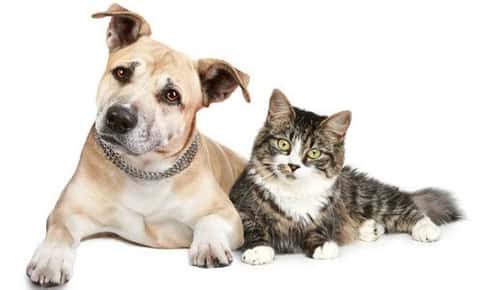
image of curious dog and cat looking ahead

The effects of secondhand smoke on people are well-documented. Exposure to tobacco smoke causes a variety of serious health problems, including stroke, heart disease, and lung cancer, according to the Centers for Disease Control and Prevention. Not surprisingly, secondhand smoke also increases the risk of health problems for your pet.

Dogs That Live with Smokers Are at Increased Risk of Nasal and Lung Cancers

Breathing in tobacco smoke can increase the chance that your dog will develop lung or nasal cancers. Nasal cancer is more common in long-nosed dogs, including collies, greyhounds, Afghan hounds, dachshunds, and borzois. Because more carcinogens can accumulate in their long noses, fewer carcinogens reach their lungs. In contrast, shorter-nosed dogs that live with smokers are more likely to develop lung cancer because their noses do not filter the carcinogens as effectively.

Unfortunately, the long-term survival rate for nasal cancer is low. Dogs that receive radiation treatment, the recommended treatment for nasal cancer, usually live an average eight to 19 months, according to the National Canine Cancer Foundation.

Exposure to smoke also increases the risk that your dog will develop asthma, bronchitis, or other respiratory problems.

Breathing in Carcinogens Isn't the Only Problem

If you have ever been in the home of a long-time smoker, you may have noticed that the walls were coated with a yellow, sticky residue from the tobacco smoke. Unfortunately, carcinogens do not just coat the walls, but also fall on your pets' fur. Since cats clean their fur by licking it, they are more likely to develop squamous cell carcinoma in their mouths. The risk of developing the cancer increases if cats have lived in the environment for five years or longer. Cats exposed to secondhand smoke are also 2 1/2 times more likely to develop malignant lymphoma than cats that live in smoke-free homes.

Secondhand Smoke and Birds Don't Mix

Dogs and cats aren't the only pets that experience health problems when they live with tobacco smoke. Birds are particularly sensitive to smoke, chemicals, and other pollutants. When they are exposed to secondhand smoke, they are more likely to develop pneumonia, lung cancer, heart problems, skin and eye irritation, coughing, and sinusitis.

Smoke Isn't the Only Problem

Your cat is unlikely to think an ashtray full of cigarette butts looks tasty, but your dog might decide that they make a good snack. Eating butts can lead to nicotine poisoning, a condition that can cause death if your pet ingests enough nicotine.

Symptoms of nicotine poisoning include:

  • Vomiting
  • Seizures
  • Tremors
  • Abnormal heart rate
  • Weakness
  • Incoordination
  • Drooling

Your pet can also develop nicotine poisoning if it drinks water that contains cigarette or cigar butts, or eats nicotine gum or patches.

Preventing Exposure

The best way to prevent these serious health problems is to quit smoking and maintain a smoke-free environment for your pet. Although confining smoking to an outdoor area can help, your pet will be still be exposed to nicotine and carcinogens on your clothing, hair, and body. Vaping is touted as a better solution to smoking, but the e-cigarettes still produce chemicals that can be toxic.

3 Ways to Keep Pets Healthy

Want to keep your pets healthy? Follow these three important tips:

Monitor Your Pet's Weight

Obesity is just as dangerous for pets as it is for people. The Association for Pet Obesity Prevention estimates that 52.7 percent of dogs and 57.9 percent of cats are overweight or obese. Obesity can cause a variety of health problems, including diabetes, heart disease, high blood pressure, respiratory disease, kidney disease, and cancer. Make sure you do not overfeed your pet, and consult your veterinarian if you notice that your furry friend is packing on the pounds.

Encourage Exercise

Exercise is an excellent way to maintain your pet's heart and respiratory health, and keep bones and muscles strong. Give your dog plenty of opportunity to run and play outdoors. Daily walks or runs and vigorous session of fetch will help ensure that your pooch gets enough exercise. Encourage your indoor cat to be active by enticing him or her with a kitty fishing rod or operating a remote-controlled mouse. Some cats even enjoy outdoor walks on harnesses.

Do Not Skip Yearly Veterinary Visits

During your pet's yearly exam, his or her veterinarian can diagnose health problems, such as diabetes or skin conditions, and prescribe treatments to prevent the problem from worsening. He or she can also provide advice on maintaining a healthy weight and keeping older animals healthy and comfortable.

We are here to help your pet stay strong and healthy. Give us a call if it's time for your pet's annual exam, or if you are concerned about a possible health problem.

Sources:

Science Daily: Secondhand Smoke is a Threat to Pets, 09/03/07

https://www.sciencedaily.com/releases/2007/08/070831123420.htm

PetMD: Risks of Second Hand Smoke for Dogs and Cats, 06/23/14

http://www.petmd.com/blogs/thedailyvet/dr-coates/2014/june/risks-second-hand-smoke-dogs-and-cats-31821

American Journal of Epidemiology: Environmental Tobacco Smoke and Risk of Malignant Lymphoma in Pet Cats, 04/17/02

http://aje.oxfordjournals.org/content/156/3/268.full

Association for Pet Obesity Prevention: 2014 Obesity Facts and Risks

American Journal of Veterinary Research: Urinary Biomarkers to Assess Exposure of Cats to Environmental Tobacco Smoke, 04/07

http://www.ncbi.nlm.nih.gov/pubmed/17397288

Healthy Pets: How Cigarettes and Smoking Impact Your Pet’s Health, 09/17/09

http://healthypets.mercola.com/sites/healthypets/archive/2009/09/17/how-cigarettes-and-smoking-impact-your-pets-health.aspx

Centers for Disease Control and Prevention: Health Effects of Secondhand Smoke, 02/17/16
http://healthypets.mercola.com/sites/healthypets/archive/2009/09/17/how-cigarettes-and-smoking-impact-your-pets-health.aspx

  • Pet Health
    • Chronic Conditions
    • Digestive and Oral Health
    • Diseases and Viruses
    • Pests and Parasites
    • Orthopedics
  • Today's Veterinarian
  • Choosing Your Pet
    • Finding Your Pet
    • Cats
    • Dogs
    • Exotics
      • Amphibians
      • Birds
      • Reptiles
        • Lizards
        • Turtles
    • Small Mammals
      • Ferrets
      • Rabbits
      • Domesticated Animals
        • Prairie Dogs
      • Pocket Pets
        • Chinchillas
        • Guinea Pigs
        • Hamsters
        • Hedgehogs
        • Rats
    • Livestock
      • Cows
      • Donkeys, Horses & Mules
      • Goats
      • Pigs
      • Poultry
      • Sheep
  • Living With Your Pet
    • Bringing Your Pet Home
    • Children and Pets
    • Providing Care
    • Travel
    • Saying Goodbye
  • Newsletter Library
    • Cats
    • Tips for Pet Owners
    • Behavior & Training
    • Fleas & Parasites
    • Keeping Pets Healthy
    • Recognizing Illness
    • Nutrition & Food
    • Pet Dangers
    • Seasonal Topics
    • Visiting the Vet
    • Equine
    • Newsletter Archive
      • Fun with Pets
      • Unbelievable Pets
  • Video Newsroom
    • Health Topics
    • Technology and Science
    • Other Interests
  • Newsletter Library
  • Client Survey
  • Pets4Kids

Covid-19 Information

Featured Links

Click to find out more

  • About Us

    Hilltop Veterinary Clinic is proud to serve the Whitecourt Alberta area for everything pet related. Our veterinary clinic and animal hospital is run by licensed, experienced veterinarians.

  • Facebook

    Find us on Facebook!

  • Contact Us

    Please contact with any questions or to request an appointment.

Office Hours

Our Regular Schedule

Monday:

8:30 am-5:00 pm

Tuesday:

8:30 am-5:00 pm

Wednesday:

8:30 am-5:00 pm

Thursday:

8:30 am-5:00 pm

Friday:

8:30 am-5:00 pm

Saturday:

Mayerthorpe Office Only

9:00 am-1:00 pm

Sunday:

Closed

Location

Find us on the map

Featured Articles

Read about interesting topics

  • March Newsletter: How to Keep Your Cat Safe When Outdoors

    Wondering how your cat can safely spend time outdoors? ...

    Read More
  • March Newsletter: How to Choose Safe Blankets for Pets

    Do you know how to pick a safe blanket for your pet? ...

    Read More
  • February Newsletter: How to Reduce Dental Anxiety in Pets

    Does your pet hate toothbrushing? These tips could reduce dental anxiety. ...

    Read More
  • February Newsletter: How to Safely Change Your Cat’s Food

    Buying a new food for your cat? Find out how to switch foods safely. ...

    Read More
  • January Newsletter: Signs Your Pet Needs a Wellness Exam

    Does your pet need a wellness exam? ...

    Read More
  • January Newsletter: How Your Veterinarian Can Help If Your Pet Ingests Something Toxic

    Has your pet eaten something it shouldn't have? Find out how your vet can help. ...

    Read More
  • December Newsletter: Signs Your Pet Needs a Professional Cleaning

    Do you know when your pet needs a professional cleaning? ...

    Read More
  • December Newsletter: Simple Ways to Keep Your Home Flea-Free for Your Pet’s Well-being

    Never want to see another flea again? Try these tips for a flea-free home. ...

    Read More
  • November Newsletter: The Importance of Bloodwork for Your Pet’s Health

    Wondering if your pet really needs bloodwork? Find out the benefits of blood tests for your furry friend. ...

    Read More
  • November Newsletter: Turkey Day Tips for Pet Owners

    Don't forget about your pet when making Turkey Day preparations. ...

    Read More

Newsletter Signup

No social media links found. Please configure it
  • Copyright © 2026 MH Sub I, LLC dba iMatrix.
  • Admin Log In
  • Site Map