Hilltop Veterinary Clinic

780-778-2662

Open mobile navigation
  • Home
  • Patient Resources
    • Small Animal
      • Nutrition
      • Breeding and Whelping
      • Kitten Info
      • Puppy Info
      • Geriatric Care
      • Surgical Info
      • Tattoos and Microchips
      • Euthanasia and Pet Memorials
      • Travelling with Pets
    • Equine
      • Wellness Care
      • Coggins Testing and Export
      • Referral Info
      • Euthanasia
      • Resources
      • Emergency Services
    • Bovine
      • Farm Services
      • VCPR and Herd Health
      • Vaccinations and Deworming
      • Exportation and EU Certification
      • Bovine Resources
    • Small Ruminant and Camelid
      • Herd/Flock Health and VCPR
      • Vaccinations
      • Deworming
    • Exotic and Pocket Pets
      • Euthanasia and Pet Memorials
      • Referral Info
      • Resources
    • What to Expect
    • Veterinary Resources
    • Payment Options
  • About Us
    • Clinic Tour
    • Meet The Staff
    • Service Overview
    • No-Show Policy
  • Services
    • Small Animal
      • Spays and Neuters
      • Vaccinations
      • Soft Tissue Surgery
      • Orthopedic Surgery
      • Dentistry
      • Laser Therapy
    • Bovine
    • Equine
    • Onsite diagnostics
    • Small Ruminant and Camelid
    • Cervid and Bison
    • Other Species
    • Emergency Services
  • Contact Us
  • Veterinary Topics
    • Pet Health
      • Chronic Conditions
      • Digestive and Oral Health
      • Diseases and Viruses
      • Pests and Parasites
      • Orthopedics
    • Today's Veterinarian
    • Choosing Your Pet
      • Finding Your Pet
      • Cats
      • Dogs
      • Exotics
        • Amphibians
        • Birds
        • Reptiles
          • Lizards
          • Turtles
      • Small Mammals
        • Ferrets
        • Rabbits
        • Domesticated Animals
          • Prairie Dogs
        • Pocket Pets
          • Chinchillas
          • Guinea Pigs
          • Hamsters
          • Hedgehogs
          • Rats
      • Livestock
        • Cows
        • Donkeys, Horses & Mules
        • Goats
        • Pigs
        • Poultry
        • Sheep
    • Living With Your Pet
      • Bringing Your Pet Home
      • Children and Pets
      • Providing Care
      • Travel
      • Saying Goodbye
    • Newsletter Library
      • Cats
      • Tips for Pet Owners
      • Behavior & Training
      • Fleas & Parasites
      • Keeping Pets Healthy
      • Recognizing Illness
      • Nutrition & Food
      • Pet Dangers
      • Seasonal Topics
      • Visiting the Vet
      • Equine
      • Newsletter Archive
        • Fun with Pets
        • Unbelievable Pets
    • Video Newsroom
      • Health Topics
      • Technology and Science
      • Other Interests
    • Newsletter Library
    • Client Survey
    • Pets4Kids
  • Home >
  • Articles >
  • Newsletter Library >
  • Keeping Pets Healthy >
  • Do I Have to Vaccinate My Pet?

Do I Have to Vaccinate My Pet?

  • Created in Newsletter Library, Keeping Pets Healthy
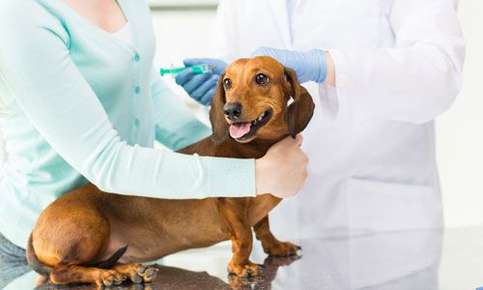
An image of a dachshund at the vet, calmly receiveing a vaccine while its owner gently holds the dog still.

Have you ever wondered if the vaccinations your pet receives are really needed? Although getting your pet into the car for the drive to the veterinarian's office isn't always easy, skipping vaccinations can have a serious impact on your pet's health.

Why Are Vaccines Important?

Vaccines not only prevent your pet from catching infectious diseases, but also offer other important benefits, including:

  • Reduction of Disease Transmission. When the majority of pets are vaccinated, they can't spread diseases to other animals. Vaccination plays an important role in preventing rabies and other infectious diseases from flourishing. Vaccinating your pet also protects other animals that are too young to receive the vaccines yet.
  • Lower Costs. Treating the diseases that vaccines prevent can be very expensive, particularly if the disease causes chronic health problems. Vaccinating your pet is a simple, effective way to avoid high-cost treatments that can derail your budget.
  • Reduced Zoonotic Disease Rates. Zoonotic diseases, such as rabies and leptospirosis, are passed between humans and animals. Vaccinating animals against the diseases also protect humans.
  • Compliance with Local Laws. Most municipalities in the U.S. require rabies vaccination for pets. Vaccination may be needed to obtain a license for your dog or cat.

What Do Vaccines Do?

Antigens, substances that trigger the production of antibodies, are contained in vaccines. Antibodies identify foreign bacteria and viruses and react quickly, killing the invading organisms before they can cause disease symptoms.

What About Side Effects?

Inspired by the backlash against vaccines for children, some pet owners have decided to opt out of vaccinating their dogs and cats. Many people who don't vaccinate their dogs or cats express concerns about possible side effects. New York Magazine reported on the issue in its February 2015 edition, noting that widespread vaccine avoidance can trigger outbreaks of diseases that were once thought to be under control, such as distemper.

Distemper affects the nervous, respiratory and gastrointestinal symptoms of dogs. Dogs affected by the disease may have high fevers, watery eyes, hardened foot pads, coughing, vomiting, seizures and paralysis. The death rate for distemper is high. If a dog doesn't die from the disease, he or she may have lasting nervous system damage.

The distemper vaccine offers a simple way to prevent death and suffering. All vaccines may cause side effects, but side effects are usually mild, don't last long and don't affect every dog. Common vaccine side effects include fever, appetite loss, lethargy, vomiting, diarrhea or hives.

Before your pet receives a vaccination, his or her veterinarian will perform a thorough examination and may even recommend a few tests to ensure that your pet is healthy enough to receive the vaccine. The veterinarian may also recommend checking his or her immunity level before offering a vaccine.

What Vaccines Are Needed?

Your pet will probably need a combination of core and non-core vaccines. Core vaccines are vaccines that every pet should have, while non-core vaccines may be recommended based on the area of the country in which you live and your dog or cat's potential exposure to various diseases.

Core vaccines for dogs include rabies, canine distemper, parvovirus and canine hepatitis, while non-core vaccines may include Lyme disease, parainfluenza, bordetella or leptospirosis. Rabies and feline distemper are core vaccines for cats, in addition to calicivirus and feline herpesvirus. Non-core vaccines for cats include feline leukemia and bordetella.

All pets don't receive the same vaccines. Factors that affect which vaccines are offered include your pet's age, health, habits, lifestyle, vaccination history and potential risk of contracting certain diseases. Puppies and kittens receive a series of vaccinations to bolster their immune systems, while older animals may only need vaccinations every one to three years, depending on the vaccine type, their immunity and local regulations and recommendations.

Even if your pet requires several vaccinations, he or she won't usually need to endure multiple shots. Many vaccines can be combined to make the injection process as easy as possible. Some vaccines are also available in liquid form.

Keep your pets and your family safe by vaccinating your dogs and cats. Call us today to schedule an appointment.

Sources:

American Veterinary Medical Association: Vaccinations

https://www.avma.org/public/PetCare/Pages/vaccinations.aspx

ASPCA: Vaccinations for Your Pet

https://www.aspca.org/pet-care/general-pet-care/vaccinations-your-pet

New York Magazine: Is the Anti-Vaccination Movement Spreading to Pet Owners?, 2/4/15

http://nymag.com/daily/intelligencer/2015/02/anti-vaccine-movement-spreading-to-pet-owners.html

WebMD: Pet Vaccines: Schedules for Cats and Dogs, 2016
http://pets.webmd.com/pet-vaccines-schedules-cats-dogs#1

  • Pet Health
    • Chronic Conditions
    • Digestive and Oral Health
    • Diseases and Viruses
    • Pests and Parasites
    • Orthopedics
  • Today's Veterinarian
  • Choosing Your Pet
    • Finding Your Pet
    • Cats
    • Dogs
    • Exotics
      • Amphibians
      • Birds
      • Reptiles
        • Lizards
        • Turtles
    • Small Mammals
      • Ferrets
      • Rabbits
      • Domesticated Animals
        • Prairie Dogs
      • Pocket Pets
        • Chinchillas
        • Guinea Pigs
        • Hamsters
        • Hedgehogs
        • Rats
    • Livestock
      • Cows
      • Donkeys, Horses & Mules
      • Goats
      • Pigs
      • Poultry
      • Sheep
  • Living With Your Pet
    • Bringing Your Pet Home
    • Children and Pets
    • Providing Care
    • Travel
    • Saying Goodbye
  • Newsletter Library
    • Cats
    • Tips for Pet Owners
    • Behavior & Training
    • Fleas & Parasites
    • Keeping Pets Healthy
    • Recognizing Illness
    • Nutrition & Food
    • Pet Dangers
    • Seasonal Topics
    • Visiting the Vet
    • Equine
    • Newsletter Archive
      • Fun with Pets
      • Unbelievable Pets
  • Video Newsroom
    • Health Topics
    • Technology and Science
    • Other Interests
  • Newsletter Library
  • Client Survey
  • Pets4Kids

Covid-19 Information

Featured Links

Click to find out more

  • About Us

    Hilltop Veterinary Clinic is proud to serve the Whitecourt Alberta area for everything pet related. Our veterinary clinic and animal hospital is run by licensed, experienced veterinarians.

  • Facebook

    Find us on Facebook!

  • Contact Us

    Please contact with any questions or to request an appointment.

Office Hours

Our Regular Schedule

Monday:

8:30 am-5:00 pm

Tuesday:

8:30 am-5:00 pm

Wednesday:

8:30 am-5:00 pm

Thursday:

8:30 am-5:00 pm

Friday:

8:30 am-5:00 pm

Saturday:

Mayerthorpe Office Only

9:00 am-1:00 pm

Sunday:

Closed

Location

Find us on the map

Featured Articles

Read about interesting topics

  • March Newsletter: How to Keep Your Cat Safe When Outdoors

    Wondering how your cat can safely spend time outdoors? ...

    Read More
  • March Newsletter: How to Choose Safe Blankets for Pets

    Do you know how to pick a safe blanket for your pet? ...

    Read More
  • February Newsletter: How to Reduce Dental Anxiety in Pets

    Does your pet hate toothbrushing? These tips could reduce dental anxiety. ...

    Read More
  • February Newsletter: How to Safely Change Your Cat’s Food

    Buying a new food for your cat? Find out how to switch foods safely. ...

    Read More
  • January Newsletter: Signs Your Pet Needs a Wellness Exam

    Does your pet need a wellness exam? ...

    Read More
  • January Newsletter: How Your Veterinarian Can Help If Your Pet Ingests Something Toxic

    Has your pet eaten something it shouldn't have? Find out how your vet can help. ...

    Read More
  • December Newsletter: Signs Your Pet Needs a Professional Cleaning

    Do you know when your pet needs a professional cleaning? ...

    Read More
  • December Newsletter: Simple Ways to Keep Your Home Flea-Free for Your Pet’s Well-being

    Never want to see another flea again? Try these tips for a flea-free home. ...

    Read More
  • November Newsletter: The Importance of Bloodwork for Your Pet’s Health

    Wondering if your pet really needs bloodwork? Find out the benefits of blood tests for your furry friend. ...

    Read More
  • November Newsletter: Turkey Day Tips for Pet Owners

    Don't forget about your pet when making Turkey Day preparations. ...

    Read More

Newsletter Signup

No social media links found. Please configure it
  • Copyright © 2026 MH Sub I, LLC dba iMatrix.
  • Admin Log In
  • Site Map