Hilltop Veterinary Clinic

780-778-2662

Open mobile navigation
  • Home
  • Patient Resources
    • Small Animal
      • Nutrition
      • Breeding and Whelping
      • Kitten Info
      • Puppy Info
      • Geriatric Care
      • Surgical Info
      • Tattoos and Microchips
      • Euthanasia and Pet Memorials
      • Travelling with Pets
    • Equine
      • Wellness Care
      • Coggins Testing and Export
      • Referral Info
      • Euthanasia
      • Resources
      • Emergency Services
    • Bovine
      • Farm Services
      • VCPR and Herd Health
      • Vaccinations and Deworming
      • Exportation and EU Certification
      • Bovine Resources
    • Small Ruminant and Camelid
      • Herd/Flock Health and VCPR
      • Vaccinations
      • Deworming
    • Exotic and Pocket Pets
      • Euthanasia and Pet Memorials
      • Referral Info
      • Resources
    • What to Expect
    • Veterinary Resources
    • Payment Options
  • About Us
    • Clinic Tour
    • Meet The Staff
    • Service Overview
    • No-Show Policy
  • Services
    • Small Animal
      • Spays and Neuters
      • Vaccinations
      • Soft Tissue Surgery
      • Orthopedic Surgery
      • Dentistry
      • Laser Therapy
    • Bovine
    • Equine
    • Onsite diagnostics
    • Small Ruminant and Camelid
    • Cervid and Bison
    • Other Species
    • Emergency Services
  • Contact Us
  • Veterinary Topics
    • Pet Health
      • Chronic Conditions
      • Digestive and Oral Health
      • Diseases and Viruses
      • Pests and Parasites
      • Orthopedics
    • Today's Veterinarian
    • Choosing Your Pet
      • Finding Your Pet
      • Cats
      • Dogs
      • Exotics
        • Amphibians
        • Birds
        • Reptiles
          • Lizards
          • Turtles
      • Small Mammals
        • Ferrets
        • Rabbits
        • Domesticated Animals
          • Prairie Dogs
        • Pocket Pets
          • Chinchillas
          • Guinea Pigs
          • Hamsters
          • Hedgehogs
          • Rats
      • Livestock
        • Cows
        • Donkeys, Horses & Mules
        • Goats
        • Pigs
        • Poultry
        • Sheep
    • Living With Your Pet
      • Bringing Your Pet Home
      • Children and Pets
      • Providing Care
      • Travel
      • Saying Goodbye
    • Newsletter Library
      • Cats
      • Tips for Pet Owners
      • Behavior & Training
      • Fleas & Parasites
      • Keeping Pets Healthy
      • Recognizing Illness
      • Nutrition & Food
      • Pet Dangers
      • Seasonal Topics
      • Visiting the Vet
      • Equine
      • Newsletter Archive
        • Fun with Pets
        • Unbelievable Pets
    • Video Newsroom
      • Health Topics
      • Technology and Science
      • Other Interests
    • Newsletter Library
    • Client Survey
    • Pets4Kids
  • Home >
  • Articles >
  • Newsletter Library >
  • 8 Common Reasons Why Your Dog is Snoring

8 Common Reasons Why Your Dog is Snoring

  • Created in Newsletter Library

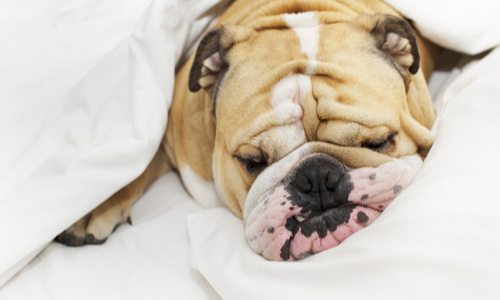
A dog sleeping in bed

Do You Know Why Your Dog Snores?

Does your dog treat you to a symphony of snoring every night? Although snoring is often harmless, it can be a sign of a health problem in some cases. Understanding the reasons your dog may snore can help you decide if it's time to call your veterinarian.

What Happens When My Dog Snores?

Snoring occurs when tissues in your dog's nose, mouth, or throat vibrate as air passes through them. The sound effects are more likely to happen if your pet's airway narrows due to inflammation, an obstruction, congestion, or other issues.

What Causes Snoring in Dogs?

Snoring can occur for a variety of reasons, including:

  • Upper Respiratory Infection: You've probably noticed that you are more likely to snore if you have a cold or upper respiratory infection. Nasal congestion clogs your sinuses, making it more difficult for air to flow freely through your nose. Your dog may also develop congestion and begin snoring as a result of a cold or illness.
  • Obesity: Your dog doesn't just gain weight around its mid-section. Weight gain can also cause excess tissues to form in your pet's neck or throat. These tissues restrict airflow, making it more likely that your dog will snore.
  • Allergies: Allergies could be to blame for your pet's snoring. Allergens inflame the nasal passages, causing swelling that limits airflow.
  • Sleep Position: Do you notice that your dog only snores when sleeping on its back? That sleeping position may cause the tongue to fall back against the throat, partially blocking the airway.
  • Abscessed Tooth: The bacterial infection that causes a tooth abscess may be responsible for inflammation and swelling in nearby tissues.
  • Hypothyroidism: Snoring could be a sign that your dog doesn't produce enough thyroid hormone. Other signs of hypothyroidism (underactive thyroid) can include dull coat, flaky skin, lack of energy, cold intolerance, reduced appetite, weight gain, shedding, and skin and ear infections.
  • Breed Characteristics: Dogs with short noses, like boxers, pugs, Boston terriers, English bulldogs, and Shih-Tzus are more likely to snore, according to the College of Veterinary Medicine, University of Illinois at Urbana-Champaign.
  • Obstructions: Anything that prevents the free flow of the air, whether it's a growth somewhere in your pet's airway or an object stuck in its nose, can trigger snoring.

What Can Be Done About Snoring?

Stopping or reducing snoring can often be as simple as gently nudging your dog to roll over or helping your pet lose a little weight. (If your dog is overweight or obese, your veterinarian can help you create a weight loss plan that will help your pet shed those extra pounds safely.) If a cold or upper respiratory infection is the cause, snoring is likely to stop once your pet starts to feel better.

If there's no obvious reason for your pet's snoring or snoring started suddenly, your vet can help you determine the cause. Removing an abscessed tooth and treating the infection with antibiotics should relieve tooth-related snoring, while prescription medication will improve your pet's health and reduce snoring caused by hypothyroidism.

When allergies are responsible, making a few changes to your pet's environment can be helpful. Wiping your pet with a moist cloth after trips outside can reduce exposure to allergens, as can washing floors and bedding often. Air-conditioners and air filters will eliminate allergens in your pet's environment, while a humidifier will keep your pet's nasal passages moist. Your veterinarian may also recommend medicated shampoos or prescribe allergy medications.

Snoring isn't necessarily a sign of trouble in dogs with short noses. If you have one of these breeds, it's important to keep your pet's weight under control and monitor your dog's breathing if it gets a cold or upper respiratory illness. If snoring is an indication of a serious issue, your vet may recommend surgery to improve airflow.

Are you concerned about your dog's snoring? Call our office to schedule an appointment.

Sources:

PetMD: Does Your Dog Have a Snoring Problem?, 3/24/17

Canine Journal: Dog Snoring: Is It Normal or a Cause for Concern?, 11/5/20
American Kennel Club: Thyroid Disease in Dogs, 1/17/18

  • Pet Health
    • Chronic Conditions
    • Digestive and Oral Health
    • Diseases and Viruses
    • Pests and Parasites
    • Orthopedics
  • Today's Veterinarian
  • Choosing Your Pet
    • Finding Your Pet
    • Cats
    • Dogs
    • Exotics
      • Amphibians
      • Birds
      • Reptiles
        • Lizards
        • Turtles
    • Small Mammals
      • Ferrets
      • Rabbits
      • Domesticated Animals
        • Prairie Dogs
      • Pocket Pets
        • Chinchillas
        • Guinea Pigs
        • Hamsters
        • Hedgehogs
        • Rats
    • Livestock
      • Cows
      • Donkeys, Horses & Mules
      • Goats
      • Pigs
      • Poultry
      • Sheep
  • Living With Your Pet
    • Bringing Your Pet Home
    • Children and Pets
    • Providing Care
    • Travel
    • Saying Goodbye
  • Newsletter Library
    • Cats
    • Tips for Pet Owners
    • Behavior & Training
    • Fleas & Parasites
    • Keeping Pets Healthy
    • Recognizing Illness
    • Nutrition & Food
    • Pet Dangers
    • Seasonal Topics
    • Visiting the Vet
    • Equine
    • Newsletter Archive
      • Fun with Pets
      • Unbelievable Pets
  • Video Newsroom
    • Health Topics
    • Technology and Science
    • Other Interests
  • Newsletter Library
  • Client Survey
  • Pets4Kids

Covid-19 Information

Featured Links

Click to find out more

  • About Us

    Hilltop Veterinary Clinic is proud to serve the Whitecourt Alberta area for everything pet related. Our veterinary clinic and animal hospital is run by licensed, experienced veterinarians.

  • Facebook

    Find us on Facebook!

  • Contact Us

    Please contact with any questions or to request an appointment.

Office Hours

Our Regular Schedule

Monday:

8:30 am-5:00 pm

Tuesday:

8:30 am-5:00 pm

Wednesday:

8:30 am-5:00 pm

Thursday:

8:30 am-5:00 pm

Friday:

8:30 am-5:00 pm

Saturday:

Mayerthorpe Office Only

9:00 am-1:00 pm

Sunday:

Closed

Location

Find us on the map

Featured Articles

Read about interesting topics

  • March Newsletter: How to Keep Your Cat Safe When Outdoors

    Wondering how your cat can safely spend time outdoors? ...

    Read More
  • March Newsletter: How to Choose Safe Blankets for Pets

    Do you know how to pick a safe blanket for your pet? ...

    Read More
  • February Newsletter: How to Reduce Dental Anxiety in Pets

    Does your pet hate toothbrushing? These tips could reduce dental anxiety. ...

    Read More
  • February Newsletter: How to Safely Change Your Cat’s Food

    Buying a new food for your cat? Find out how to switch foods safely. ...

    Read More
  • January Newsletter: Signs Your Pet Needs a Wellness Exam

    Does your pet need a wellness exam? ...

    Read More
  • January Newsletter: How Your Veterinarian Can Help If Your Pet Ingests Something Toxic

    Has your pet eaten something it shouldn't have? Find out how your vet can help. ...

    Read More
  • December Newsletter: Signs Your Pet Needs a Professional Cleaning

    Do you know when your pet needs a professional cleaning? ...

    Read More
  • December Newsletter: Simple Ways to Keep Your Home Flea-Free for Your Pet’s Well-being

    Never want to see another flea again? Try these tips for a flea-free home. ...

    Read More
  • November Newsletter: The Importance of Bloodwork for Your Pet’s Health

    Wondering if your pet really needs bloodwork? Find out the benefits of blood tests for your furry friend. ...

    Read More
  • November Newsletter: Turkey Day Tips for Pet Owners

    Don't forget about your pet when making Turkey Day preparations. ...

    Read More

Newsletter Signup

No social media links found. Please configure it
  • Copyright © 2026 MH Sub I, LLC dba iMatrix.
  • Admin Log In
  • Site Map