Hilltop Veterinary Clinic

780-778-2662

Open mobile navigation
  • Home
  • Patient Resources
    • Small Animal
      • Nutrition
      • Breeding and Whelping
      • Kitten Info
      • Puppy Info
      • Geriatric Care
      • Surgical Info
      • Tattoos and Microchips
      • Euthanasia and Pet Memorials
      • Travelling with Pets
    • Equine
      • Wellness Care
      • Coggins Testing and Export
      • Referral Info
      • Euthanasia
      • Resources
      • Emergency Services
    • Bovine
      • Farm Services
      • VCPR and Herd Health
      • Vaccinations and Deworming
      • Exportation and EU Certification
      • Bovine Resources
    • Small Ruminant and Camelid
      • Herd/Flock Health and VCPR
      • Vaccinations
      • Deworming
    • Exotic and Pocket Pets
      • Euthanasia and Pet Memorials
      • Referral Info
      • Resources
    • What to Expect
    • Veterinary Resources
    • Payment Options
  • About Us
    • Clinic Tour
    • Meet The Staff
    • Service Overview
    • No-Show Policy
  • Services
    • Small Animal
      • Spays and Neuters
      • Vaccinations
      • Soft Tissue Surgery
      • Orthopedic Surgery
      • Dentistry
      • Laser Therapy
    • Bovine
    • Equine
    • Onsite diagnostics
    • Small Ruminant and Camelid
    • Cervid and Bison
    • Other Species
    • Emergency Services
  • Contact Us
  • Veterinary Topics
    • Pet Health
      • Chronic Conditions
      • Digestive and Oral Health
      • Diseases and Viruses
      • Pests and Parasites
      • Orthopedics
    • Today's Veterinarian
    • Choosing Your Pet
      • Finding Your Pet
      • Cats
      • Dogs
      • Exotics
        • Amphibians
        • Birds
        • Reptiles
          • Lizards
          • Turtles
      • Small Mammals
        • Ferrets
        • Rabbits
        • Domesticated Animals
          • Prairie Dogs
        • Pocket Pets
          • Chinchillas
          • Guinea Pigs
          • Hamsters
          • Hedgehogs
          • Rats
      • Livestock
        • Cows
        • Donkeys, Horses & Mules
        • Goats
        • Pigs
        • Poultry
        • Sheep
    • Living With Your Pet
      • Bringing Your Pet Home
      • Children and Pets
      • Providing Care
      • Travel
      • Saying Goodbye
    • Newsletter Library
      • Cats
      • Tips for Pet Owners
      • Behavior & Training
      • Fleas & Parasites
      • Keeping Pets Healthy
      • Recognizing Illness
      • Nutrition & Food
      • Pet Dangers
      • Seasonal Topics
      • Visiting the Vet
      • Equine
      • Newsletter Archive
        • Fun with Pets
        • Unbelievable Pets
    • Video Newsroom
      • Health Topics
      • Technology and Science
      • Other Interests
    • Newsletter Library
    • Client Survey
    • Pets4Kids
  • Home >
  • Articles >
  • Newsletter Library >
  • Happy Cat Month

Happy Cat Month

  • Created in Newsletter Library

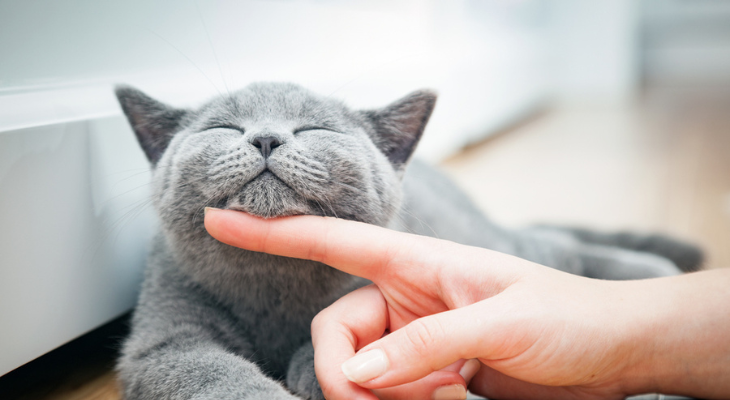
Happy cat getting loved

How Are You Celebrating Happy Cat Month?

Can you imagine life without your cat? Those fluffy felines make life more interesting, provide countless hours of entertainment, and offer unconditional love. It's only fitting an entire month is dedicated to them every September. If you don't have any plans for Happy Cat Month yet, these suggestions may give you a few ideas.

Buy Your Cat Something Nice

Every holiday is better with gifts, including Happy Cat Month. Your cat is sure to appreciate a new toy, special treat, or even a custom-made climbing structure. If your local pet supply store doesn't have an ample selection of cat items, check out one of the many online stores dedicated to pets.

Not sure what to buy your cat? Most cats enjoy stalking and capturing prey. Indulge your pet's prey drive with a dangling toy at the end of a kitty fishing road or a battery-operated mouse that moves just like the real thing. Interactive toys keep your pet intellectually stimulated, while cat tunnels and condos offer the perfect spots to explore or take a cat nap.

Spend More Time With Your Pet

Society regards cats as aloof creatures, but as a feline lover, you probably know that's not exactly true. Although some cats prefer to keep their distance from people, many enjoy nothing better than curling up next to their favorite humans on the couch. Increasing the time you spend with your cat is one of the best gifts you can give your pet, whether you set aside time for a grooming session, play chase with your cat, or stream a new show with your pet at your side.

Cat-Proof Your Home

Cats can get into all sorts of trouble when left alone for just a few moments. Cat-proofing your home will prevent injuries and illnesses that could require an emergency trip to the veterinarian. Get down on the floor and view your home from your cat's point of view to identify potential hazards. Your cat-proofing plan may include:

  • Promptly Putting Away String, Thread, Needles, Yarn and Other Items That Could Harm Your Cat if Eaten
  • Storing Medication and Cleaning Products in Cabinets Secured with Childproof Locks
  • Keeping Trash in a Can That Closes Securely
  • Using Flameless Candles
  • Keeping Chocolate, Onions, Garlic, Scallions, Leeks, Alcohol and Caffeinated Products Secured in Cat-Proof Containers. (These foods can sicken or kill your pet.)
  • Buying House Plants That Are Safe for Pets
  • Shortening Cords on Blinds and Shades
  • Attaching Furniture to the Walls
  • Putting Essential Oils and Oil Burners Out of Reach

Offer a Place to Scratch

Scratching offers many benefits for your cat. According to The Humane Society of the United States, your cat scratches to:

  • Remove the Dull Outer Part of the Nails
  • Stretch Its Body
  • Make Its Territory
  • Show Emotion

Your cat will be less likely to shred your new couch if you provide a convenient place to scratch. The ideal scratching posts are sturdy, stable and long enough for your cat to extend its body fully.

Keep an Eye on Your Pet's Weight

Do you throw handfuls of food in your pet's dish instead of following the feeding recommendations on the package? Your pet is more likely to develop a weight problem if too much food is available. As many as 56 million American cats are overweight or obese, according to estimates from the Association for Pet Obesity Prevention. Gaining too much weight increases your cat's risk of heart disease, cancer, diabetes, urinary tract disease, joint issues, high blood pressure and arthritis.

If you can't feel your cat's ribs when you pet it, it may be overweight. Your veterinarian can recommend the best type of food for your pet and offer tips that will help your cat lose weight safely.

Make a Trip to See the Veterinarian

Annual visits to the veterinarian are essential for your cat's good health. Unfortunately, health problems aren't always obvious in the earliest stages. Regular visits help your pet's veterinarian spot signs of diseases and illnesses and offer treatments that will help protect your cat's health. Check-ups include a head-to-toe examination, a blood test and vaccinations if needed.

Ready to schedule a visit with the veterinarian? Just give us a call to make your cat's appointment.

Sources:

The Humane Society of the United States: Cats: Destructive Scratching

Association for Pet Obesity Prevention: National Pet Obesity Awareness Day

Catster: 11 Tips for Cat-Proofing Your Home This Fall, 9/30/2013
Cummings School of Veterinary Medicine at Tufts University: Five Ways Being Overweight Can Harm Your Cat’s Health, 9/21/2017

  • Pet Health
    • Chronic Conditions
    • Digestive and Oral Health
    • Diseases and Viruses
    • Pests and Parasites
    • Orthopedics
  • Today's Veterinarian
  • Choosing Your Pet
    • Finding Your Pet
    • Cats
    • Dogs
    • Exotics
      • Amphibians
      • Birds
      • Reptiles
        • Lizards
        • Turtles
    • Small Mammals
      • Ferrets
      • Rabbits
      • Domesticated Animals
        • Prairie Dogs
      • Pocket Pets
        • Chinchillas
        • Guinea Pigs
        • Hamsters
        • Hedgehogs
        • Rats
    • Livestock
      • Cows
      • Donkeys, Horses & Mules
      • Goats
      • Pigs
      • Poultry
      • Sheep
  • Living With Your Pet
    • Bringing Your Pet Home
    • Children and Pets
    • Providing Care
    • Travel
    • Saying Goodbye
  • Newsletter Library
    • Cats
    • Tips for Pet Owners
    • Behavior & Training
    • Fleas & Parasites
    • Keeping Pets Healthy
    • Recognizing Illness
    • Nutrition & Food
    • Pet Dangers
    • Seasonal Topics
    • Visiting the Vet
    • Equine
    • Newsletter Archive
      • Fun with Pets
      • Unbelievable Pets
  • Video Newsroom
    • Health Topics
    • Technology and Science
    • Other Interests
  • Newsletter Library
  • Client Survey
  • Pets4Kids

Covid-19 Information

Featured Links

Click to find out more

  • About Us

    Hilltop Veterinary Clinic is proud to serve the Whitecourt Alberta area for everything pet related. Our veterinary clinic and animal hospital is run by licensed, experienced veterinarians.

  • Facebook

    Find us on Facebook!

  • Contact Us

    Please contact with any questions or to request an appointment.

Office Hours

Our Regular Schedule

Monday:

8:30 am-5:00 pm

Tuesday:

8:30 am-5:00 pm

Wednesday:

8:30 am-5:00 pm

Thursday:

8:30 am-5:00 pm

Friday:

8:30 am-5:00 pm

Saturday:

Mayerthorpe Office Only

9:00 am-1:00 pm

Sunday:

Closed

Location

Find us on the map

Featured Articles

Read about interesting topics

  • March Newsletter: How to Keep Your Cat Safe When Outdoors

    Wondering how your cat can safely spend time outdoors? ...

    Read More
  • March Newsletter: How to Choose Safe Blankets for Pets

    Do you know how to pick a safe blanket for your pet? ...

    Read More
  • February Newsletter: How to Reduce Dental Anxiety in Pets

    Does your pet hate toothbrushing? These tips could reduce dental anxiety. ...

    Read More
  • February Newsletter: How to Safely Change Your Cat’s Food

    Buying a new food for your cat? Find out how to switch foods safely. ...

    Read More
  • January Newsletter: Signs Your Pet Needs a Wellness Exam

    Does your pet need a wellness exam? ...

    Read More
  • January Newsletter: How Your Veterinarian Can Help If Your Pet Ingests Something Toxic

    Has your pet eaten something it shouldn't have? Find out how your vet can help. ...

    Read More
  • December Newsletter: Signs Your Pet Needs a Professional Cleaning

    Do you know when your pet needs a professional cleaning? ...

    Read More
  • December Newsletter: Simple Ways to Keep Your Home Flea-Free for Your Pet’s Well-being

    Never want to see another flea again? Try these tips for a flea-free home. ...

    Read More
  • November Newsletter: The Importance of Bloodwork for Your Pet’s Health

    Wondering if your pet really needs bloodwork? Find out the benefits of blood tests for your furry friend. ...

    Read More
  • November Newsletter: Turkey Day Tips for Pet Owners

    Don't forget about your pet when making Turkey Day preparations. ...

    Read More

Newsletter Signup

No social media links found. Please configure it
  • Copyright © 2026 MH Sub I, LLC dba iMatrix.
  • Admin Log In
  • Site Map