Hilltop Veterinary Clinic

780-778-2662

Open mobile navigation
  • Home
  • Patient Resources
    • Small Animal
      • Nutrition
      • Breeding and Whelping
      • Kitten Info
      • Puppy Info
      • Geriatric Care
      • Surgical Info
      • Tattoos and Microchips
      • Euthanasia and Pet Memorials
      • Travelling with Pets
    • Equine
      • Wellness Care
      • Coggins Testing and Export
      • Referral Info
      • Euthanasia
      • Resources
      • Emergency Services
    • Bovine
      • Farm Services
      • VCPR and Herd Health
      • Vaccinations and Deworming
      • Exportation and EU Certification
      • Bovine Resources
    • Small Ruminant and Camelid
      • Herd/Flock Health and VCPR
      • Vaccinations
      • Deworming
    • Exotic and Pocket Pets
      • Euthanasia and Pet Memorials
      • Referral Info
      • Resources
    • What to Expect
    • Veterinary Resources
    • Payment Options
  • About Us
    • Clinic Tour
    • Meet The Staff
    • Service Overview
    • No-Show Policy
  • Services
    • Small Animal
      • Spays and Neuters
      • Vaccinations
      • Soft Tissue Surgery
      • Orthopedic Surgery
      • Dentistry
      • Laser Therapy
    • Bovine
    • Equine
    • Onsite diagnostics
    • Small Ruminant and Camelid
    • Cervid and Bison
    • Other Species
    • Emergency Services
  • Contact Us
  • Veterinary Topics
    • Pet Health
      • Chronic Conditions
      • Digestive and Oral Health
      • Diseases and Viruses
      • Pests and Parasites
      • Orthopedics
    • Today's Veterinarian
    • Choosing Your Pet
      • Finding Your Pet
      • Cats
      • Dogs
      • Exotics
        • Amphibians
        • Birds
        • Reptiles
          • Lizards
          • Turtles
      • Small Mammals
        • Ferrets
        • Rabbits
        • Domesticated Animals
          • Prairie Dogs
        • Pocket Pets
          • Chinchillas
          • Guinea Pigs
          • Hamsters
          • Hedgehogs
          • Rats
      • Livestock
        • Cows
        • Donkeys, Horses & Mules
        • Goats
        • Pigs
        • Poultry
        • Sheep
    • Living With Your Pet
      • Bringing Your Pet Home
      • Children and Pets
      • Providing Care
      • Travel
      • Saying Goodbye
    • Newsletter Library
      • Cats
      • Tips for Pet Owners
      • Behavior & Training
      • Fleas & Parasites
      • Keeping Pets Healthy
      • Recognizing Illness
      • Nutrition & Food
      • Pet Dangers
      • Seasonal Topics
      • Visiting the Vet
      • Equine
      • Newsletter Archive
        • Fun with Pets
        • Unbelievable Pets
    • Video Newsroom
      • Health Topics
      • Technology and Science
      • Other Interests
    • Newsletter Library
    • Client Survey
    • Pets4Kids
  • Home >
  • Articles >
  • Newsletter Library >
  • January Newsletter: Don't Forget to Vaccinate Your Pets this Year

January Newsletter: Don't Forget to Vaccinate Your Pets this Year

  • Created in Newsletter Library

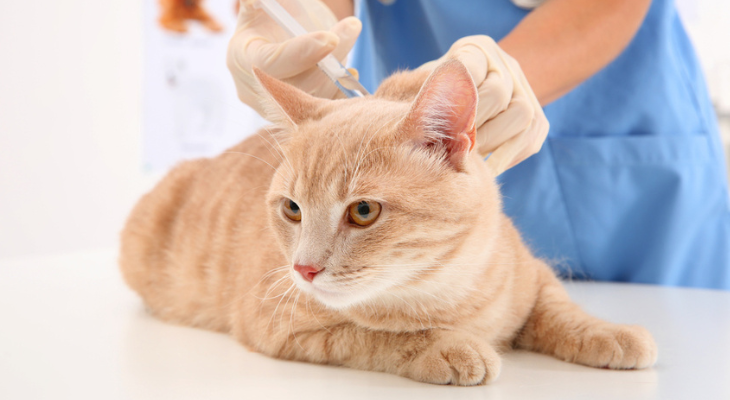
Pink cat gets vaccinated

Don't Forget to Vaccinate Your Pets This Year

Vaccines reduce the risk of serious illness or death and are essential for your furry friend's good health. Unfortunately, it's easy to forget about vaccinations when your life is hectic. If it's been a while since your pet received its vaccinations, paying a visit to the veterinarian will help you ensure that your dog, cat, or ferret is protected.

How Vaccines Work

Vaccines make it easier for your pet's immune system to recognize and kill germs that cause serious illness and disease. After your pet receives a vaccine, his immune system produces antibodies, proteins that fight the particular bacteria or virus. These proteins destroy germs before they can make your pet sick.

Vaccines ensure that:

  • Pets Don't Develop Devastating Illnesses. The vaccines your pet receives offer protection against serious or deadly diseases, like rabies or distemper. Even if an unvaccinated pet survives a disease, it may face lifelong health complications. By preventing illness, vaccinations help your pet enjoy a long, healthy life.
  • Your Pet Is Welcome Everywhere. Boarding and grooming facilities may require proof of vaccinations before you can use their services. Your state or municipality might also require pets to be vaccinated against rabies.
  • Diseases Don't Spread. Since disease symptoms usually don't appear immediately after exposure, your pet could easily spread the illness to other animals and people long before you're aware that your furry friend is sick. By preventing illness, vaccines also reduce the likelihood of disease outbreaks in your area.
  • Young and Old Animals Receive the Protection They Need. Although vaccinations are important for all animals, young and old animals are at increased risk of illness due to their immature or weak immune systems. Vaccinations help them fight illnesses that could kill them.
  • You Won't Break Your Budget. Thanks to medical advances, it's now possible to treat illnesses and conditions that would have killed your pet years ago. Although the treatments will help improve quality of life, they can be expensive if your pet develops a chronic condition after suffering an illness. Vaccinations not only protect your pet's health, but also help you avoid costly veterinary bills.

Why It's Important to Follow the Recommended Vaccination Schedule

Most vaccines don't offer lifelong protection. In fact, they may begin to wear off just a year or more after your pet receives them. Luckily, vaccine boosters offer a simple way to provide continuous protection for your pet.

The recommended schedule for vaccines varies depending on the type of vaccine and the laws in your state. Dogs and cats receive the rabies vaccine every one to three years. The vaccine protects your pet from rabies, a disease that's almost always fatal. Rabies is spread to animals and people after contact with an infected animal's saliva, or eyes, nose or mouth.

Although you may associate rabies with dogs, cats are actually diagnosed with the disease more often according to the American Medical Veterinary Association (AVMA). The AVMA believes that may be due to lower vaccination rates for cats, in addition to exposure to rabid animals when cats wander outdoors.

Vaccines for feline and canine distemper, diseases that can cause death, brain damage, and other health complications, are recommended every three years. Ferrets also need distemper and rabies vaccines on a regular basis.

Puppies and kittens receive a series of vaccines several times throughout their first year of life. After the dog or cat turns one, it follows the adult vaccine schedule.

In addition to distemper and rabies vaccines, these core vaccinations are recommended for pets:

  • Canine Hepatitis (dogs)
  • Parvovirus (dogs)
  • Calicivirus (cats)
  • Feline Herpesvirus (cats)

Your veterinarian may also recommend certain non-core vaccinations depending on your pet's risk factors and the rate of disease transmission in your area. Non-core vaccinations that might be offered include:

Lyme Disease (dogs)

  • Leptospirosis (dogs)
  • Parainfluenza (dogs)
  • Feline leukemia (cats)
  • Bordetella (dogs and cats)

Is your pet due for its vaccinations? Contact our office to make an appointment.

Sources:

AVMA: Rabies and Your Pet

https://www.avma.org/resources-tools/one-health/help-control-rabies/rabies-and-your-pet

ASPCA: Vaccinations for Your Pet

https://www.aspca.org/pet-care/general-pet-care/vaccinations-your-pet

WebMD: Pet Vaccines: Schedules for Cats and Dogs, 11/9/2022
https://pets.webmd.com/pet-vaccines-schedules-cats-dogs

  • Pet Health
    • Chronic Conditions
    • Digestive and Oral Health
    • Diseases and Viruses
    • Pests and Parasites
    • Orthopedics
  • Today's Veterinarian
  • Choosing Your Pet
    • Finding Your Pet
    • Cats
    • Dogs
    • Exotics
      • Amphibians
      • Birds
      • Reptiles
        • Lizards
        • Turtles
    • Small Mammals
      • Ferrets
      • Rabbits
      • Domesticated Animals
        • Prairie Dogs
      • Pocket Pets
        • Chinchillas
        • Guinea Pigs
        • Hamsters
        • Hedgehogs
        • Rats
    • Livestock
      • Cows
      • Donkeys, Horses & Mules
      • Goats
      • Pigs
      • Poultry
      • Sheep
  • Living With Your Pet
    • Bringing Your Pet Home
    • Children and Pets
    • Providing Care
    • Travel
    • Saying Goodbye
  • Newsletter Library
    • Cats
    • Tips for Pet Owners
    • Behavior & Training
    • Fleas & Parasites
    • Keeping Pets Healthy
    • Recognizing Illness
    • Nutrition & Food
    • Pet Dangers
    • Seasonal Topics
    • Visiting the Vet
    • Equine
    • Newsletter Archive
      • Fun with Pets
      • Unbelievable Pets
  • Video Newsroom
    • Health Topics
    • Technology and Science
    • Other Interests
  • Newsletter Library
  • Client Survey
  • Pets4Kids

Covid-19 Information

Featured Links

Click to find out more

  • About Us

    Hilltop Veterinary Clinic is proud to serve the Whitecourt Alberta area for everything pet related. Our veterinary clinic and animal hospital is run by licensed, experienced veterinarians.

  • Facebook

    Find us on Facebook!

  • Contact Us

    Please contact with any questions or to request an appointment.

Office Hours

Our Regular Schedule

Monday:

8:30 am-5:00 pm

Tuesday:

8:30 am-5:00 pm

Wednesday:

8:30 am-5:00 pm

Thursday:

8:30 am-5:00 pm

Friday:

8:30 am-5:00 pm

Saturday:

Mayerthorpe Office Only

9:00 am-1:00 pm

Sunday:

Closed

Location

Find us on the map

Featured Articles

Read about interesting topics

  • March Newsletter: How to Keep Your Cat Safe When Outdoors

    Wondering how your cat can safely spend time outdoors? ...

    Read More
  • March Newsletter: How to Choose Safe Blankets for Pets

    Do you know how to pick a safe blanket for your pet? ...

    Read More
  • February Newsletter: How to Reduce Dental Anxiety in Pets

    Does your pet hate toothbrushing? These tips could reduce dental anxiety. ...

    Read More
  • February Newsletter: How to Safely Change Your Cat’s Food

    Buying a new food for your cat? Find out how to switch foods safely. ...

    Read More
  • January Newsletter: Signs Your Pet Needs a Wellness Exam

    Does your pet need a wellness exam? ...

    Read More
  • January Newsletter: How Your Veterinarian Can Help If Your Pet Ingests Something Toxic

    Has your pet eaten something it shouldn't have? Find out how your vet can help. ...

    Read More
  • December Newsletter: Signs Your Pet Needs a Professional Cleaning

    Do you know when your pet needs a professional cleaning? ...

    Read More
  • December Newsletter: Simple Ways to Keep Your Home Flea-Free for Your Pet’s Well-being

    Never want to see another flea again? Try these tips for a flea-free home. ...

    Read More
  • November Newsletter: The Importance of Bloodwork for Your Pet’s Health

    Wondering if your pet really needs bloodwork? Find out the benefits of blood tests for your furry friend. ...

    Read More
  • November Newsletter: Turkey Day Tips for Pet Owners

    Don't forget about your pet when making Turkey Day preparations. ...

    Read More

Newsletter Signup

No social media links found. Please configure it
  • Copyright © 2026 MH Sub I, LLC dba iMatrix.
  • Admin Log In
  • Site Map